Arrange Furniture to Explain a Home Before the Listing Photographs
A buyer needs to understand how a room can be used, where its paths run, and what its fixed features are. Modenese Furniture makes classic and contemporary furniture, but staging a home is a different decision from furnishing it for a long-term owner. The aim is to show the room's scale and function without letting large pieces conceal its doors, windows, or floor area.
Good staging starts with the actual home, not with a set of decorative rules. A small room may be clearer with fewer pieces; a large room may need a seating group so viewers can understand how people would occupy it. In either case, the furniture should help a prospective buyer read the space accurately. A photograph that makes a room appear larger than it is can create disappointment at the visit.
Which rooms deserve the first layout review?
The living room and principal bedroom usually deserve the first layout review because buyers often use those rooms to judge everyday fit. The National Association of Realtors' 2025 Profile of Home Staging reports that buyer agents ranked the living room as the most important room to stage, followed by the primary bedroom and kitchen. That is an agent survey, not proof that a particular staged home will sell faster or for more money.
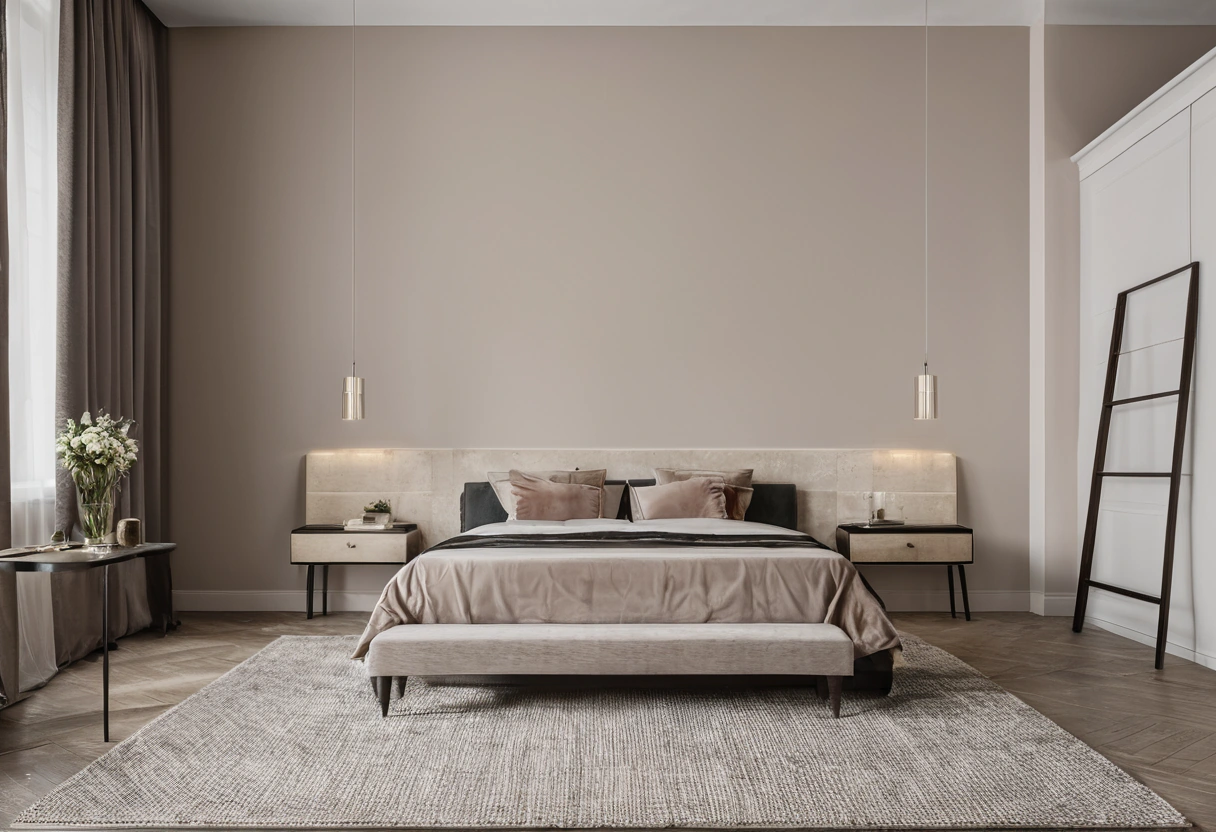
Walk each room before moving furniture. Identify the view from the doorway, the route to the window, and the main use suggested by the room's fixed features. A living room with a fireplace may need a seating arrangement that acknowledges it; a bedroom should make the bed and storage relationship legible. If a room has an unusual shape, furniture can show a plausible use for an awkward corner without disguising its shape.
Not every room needs a full staging package. The NAR report says sellers' agents staged living rooms in 91% of the staging cases covered by its survey, while home offices were staged less often. The difference is about reported practice, not a mandate for every listing. Decide where a layout change will answer a real buyer question and where cleaning, repair, and clear photographs are enough.
How much furniture shows scale without crowding the room?
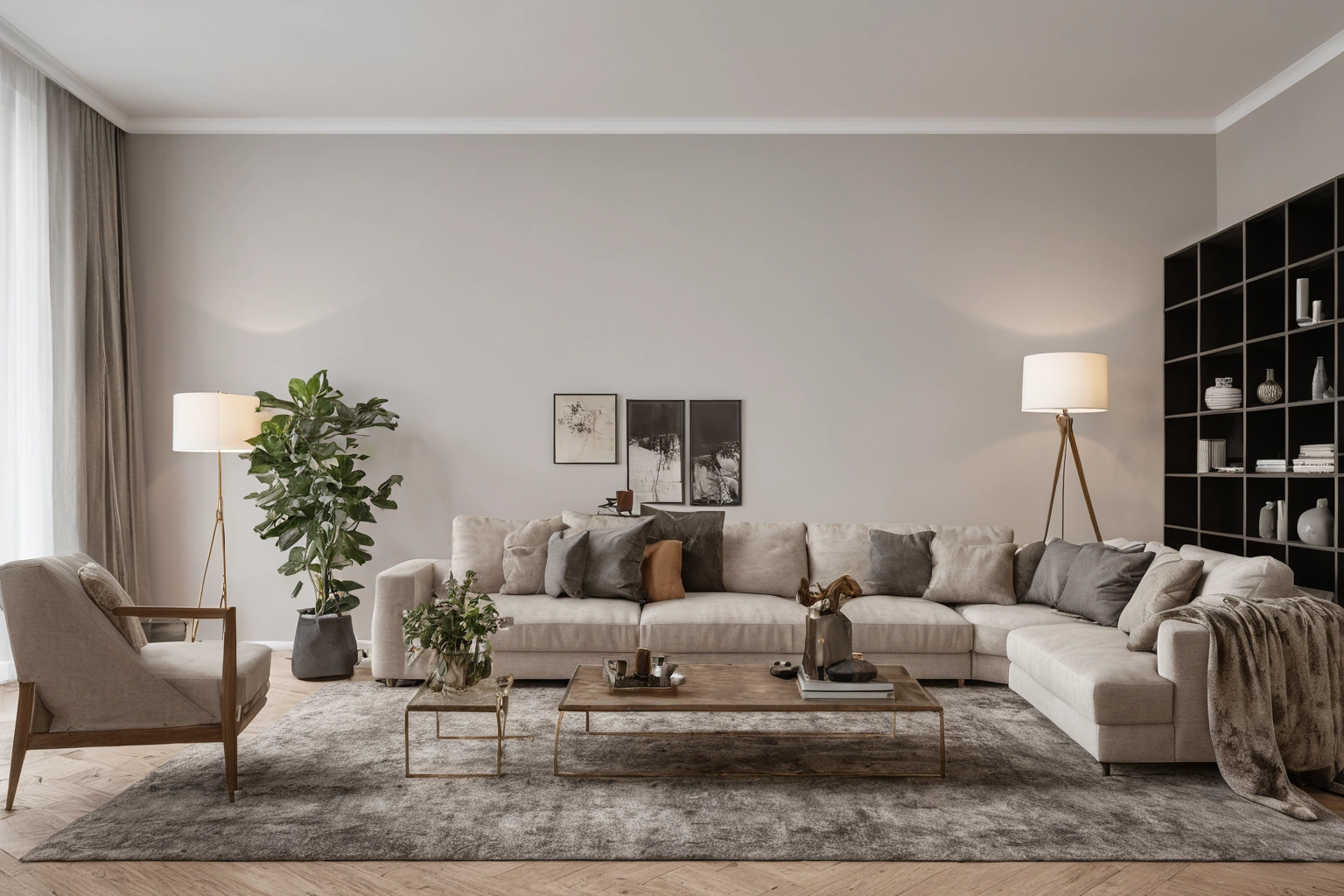
Use enough furniture to establish a room's likely function, then remove pieces that hide circulation or compete with architectural features. In a living room, a sofa, an appropriate table, and a limited number of chairs may define the group. A collection of small tables can make the same room feel fragmented. The correct number depends on the room's dimensions and where people enter and leave.
Draw each proposed piece on a plan, including the space needed to pass behind it. Photograph the room from the same position before and after rearrangement. The comparison reveals whether the layout clarifies the room or merely fills empty corners. Keep the camera position honest; staging should demonstrate a plausible arrangement rather than rely on a lens that changes apparent proportions.
Scale can be shown with familiar furniture, but the furniture should not imply that it will be included in the sale unless that is agreed separately. The listing description and the showing arrangement need to be consistent. If a room contains a borrowed or rented piece, the agent should know whether it remains for showings and when it will be removed. The staging plan is part of presenting the property, not evidence of the buyer's future inventory.
| Room | Furniture question | Visual check |
|---|---|---|
| Living room | Does seating explain the main use? | Windows and routes remain visible. |
| Bedroom | Does the bed fit with practical access? | Door, storage, and both sides of bed are readable. |
| Dining area | Can chairs move without blocking the route? | The table does not erase the room's dimensions. |
| Home office | Is a work position plausible? | Desk and chair do not hide fixed features. |
Why should the walking route be drawn before photography?
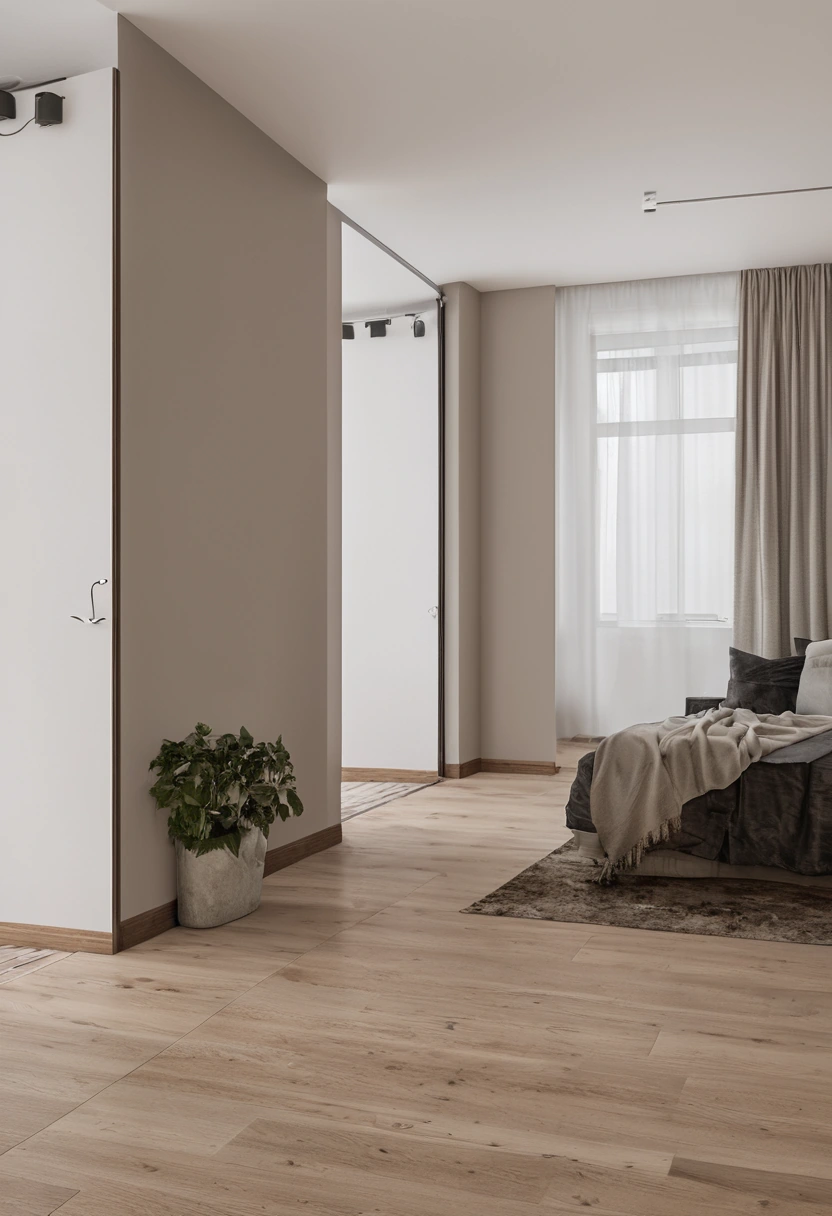
A clear walking route helps both the person touring the home and the viewer interpreting photographs. Mark the path from the door to the room's principal feature, then to another exit or storage area. Include open doors, pulled-back chairs, and drawers. A visually tidy room can still be awkward to walk through when the furniture is used.
Do not use accessibility figures as a universal private-home requirement. The U.S. Access Board's ADA standards define clear floor space in covered settings and explain how obstructions affect movement. The legal scope varies by building. The design lesson for a listing is simpler: show the usable path and do not block it for the sake of a photograph. A prospective buyer should be able to test the room while viewing it.
Check the path at two times: with the room staged for photographs and with the room ready for a showing. A photographer may move a chair temporarily to improve a frame. If the chair returns to a position that blocks a cabinet or door, the published image no longer reflects the viewing experience. The agent should agree on the actual arrangement before the camera visit.
How do color and finish affect the reading of a room?
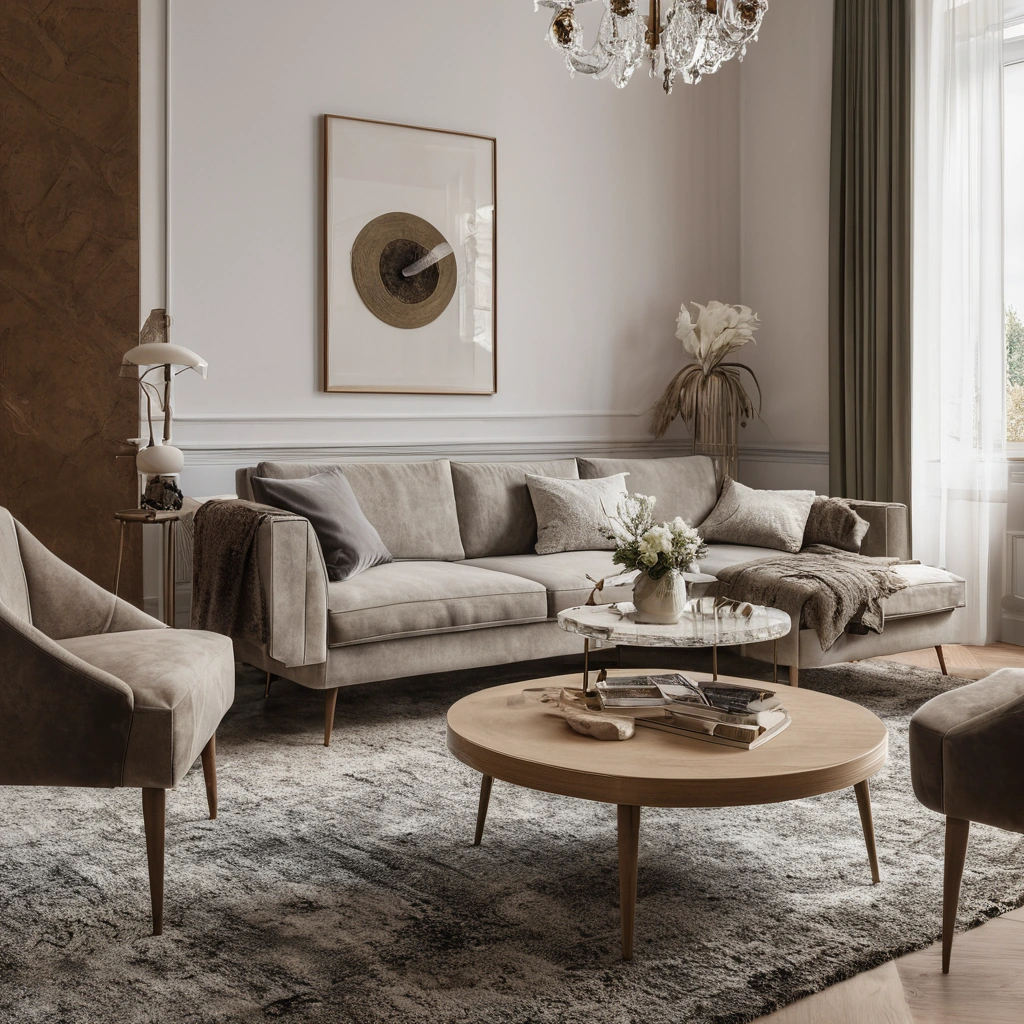
Furniture color should help viewers identify the room's edges and fixed surfaces. A dark cabinet against a dark wall can make the corner look visually dense; a very pale arrangement can make the furniture disappear in bright photography. There is no universal neutral palette that suits every property. Test the intended arrangement in the home's actual daylight and installed lighting.
Protect existing furniture while staging. Moving a heavy cabinet to create a better view can damage its joints or the floor. The Canadian Conservation Institute recommends checking for loose joints before moving wooden furniture and lifting it at strong structural points rather than dragging it. That advice matters when a listing is being prepared quickly and several rooms are rearranged in one day.
Remove worn or broken items that call attention to a maintenance problem unrelated to the property, but do not conceal a property defect behind furniture. A buyer needs to inspect walls, windows, and doors. Staging should make the space easier to understand, not less inspectable. If a fixed feature needs repair, the repair decision belongs with the seller and agent, not inside a styling trick.
What does the staging evidence actually support?
The NAR survey supports a claim about agent perceptions, not a guaranteed return on a staging budget. Its executive summary says 83% of buyer agents reported that staging made it easier for buyers to visualize a property as a future home. The sample records professional opinion and reported experience. It does not establish that every room must be furnished or that any particular brand of furniture increases a sale price.
The report also records that sellers' agents sometimes recommend decluttering or correcting faults rather than full staging. That is an important budget distinction. If the room already shows its purpose and proportions, a second sofa or new table may not add clarity. A careful edit of what is present can be a more accurate presentation than a complete replacement of the furniture.
Keep a record of what was changed for photographs and what remains for showings. The owner, agent, and photographer should agree on the layout, the items that will stay, and the date when borrowed items leave. The record prevents a listing image from becoming a promise that the viewing cannot satisfy.
What is the final review before the photographer arrives?
Stand in each doorway and identify the room's use, fixed features, and route. Then sit in the main seat, pull out the nearest chair or drawer, and open the relevant door. Check that the furniture arrangement still works. Photograph the room from a normal standing position and compare the image with the experience of walking it.
A staged home succeeds as an explanation when a prospective buyer can understand its size and use without being misled by furniture. The furniture can be classic or contemporary. Its job in the listing is to clarify the property, preserve the ability to inspect it, and allow a normal showing without a second round of rearrangement.