Old-house systems in the GTA and who to call about them
Older houses across Toronto carry systems that were ordinary when they were installed and are now questions for a buyer or a renovator. Here is how to identify them, who to call, and what to ask before anyone opens a wall.
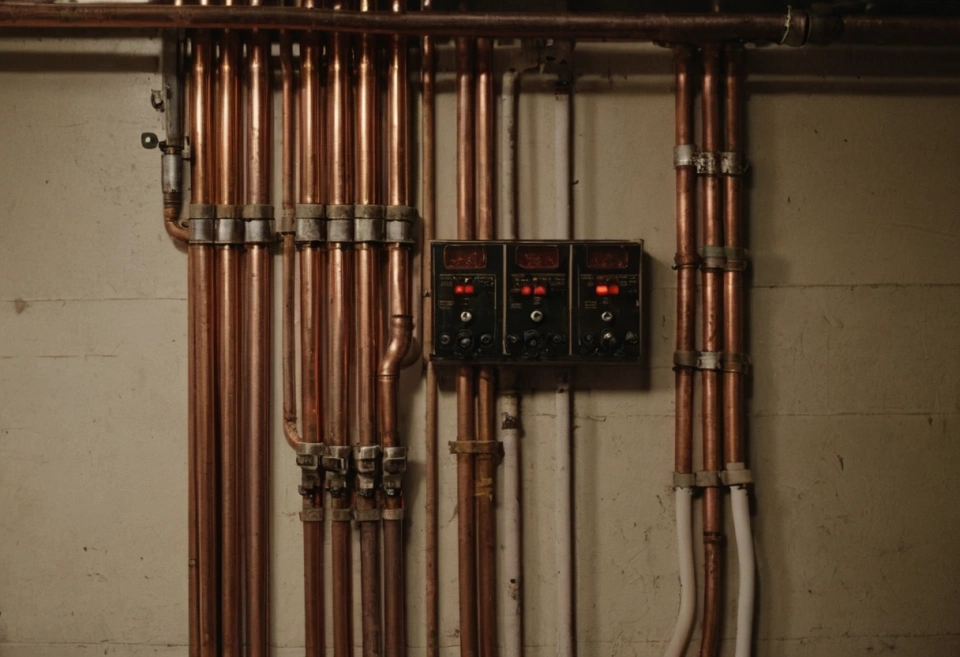
You are standing in the basement of a house built long before you were born, and the inspector has just pointed at three things in a row: a panel with fuses instead of breakers, a supply pipe with a dull grey finish, and a joist cavity filled with something that looks like pale gravel. None of these is automatically a disaster. All of them change what you should budget, what you should ask before signing, and which trades you need on the phone. This article helps you sort older GTA house systems into three groups: leave alone and monitor, investigate properly, and replace before other work begins.
Wiring that predates the modern panel
Several generations of wiring turn up in older Toronto housing, and they are not equivalent. Knob-and-tube uses individual conductors run through porcelain tubes and supported on porcelain knobs, with no equipment grounding conductor and insulation that grows brittle with age. Later cloth-covered and early rubber-insulated cable can look intact at the panel while crumbling where it passes through a joist. Some houses have aluminium branch-circuit wiring, which behaves differently from copper at terminals and requires devices and connection methods rated for it. A fuse panel is not itself a defect, but it often signals a service too small for a modern kitchen, a heat pump and a workshop.
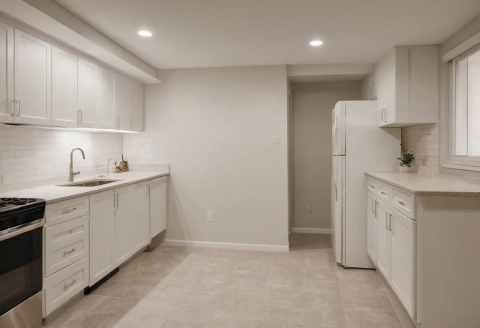
The tell-tale signs are worth learning: two-prong receptacles, a mix of wiring types visible in the basement ceiling, receptacles changed to three-prong without any grounding path, and warm cover plates. Do not treat any of this as a do-it-yourself investigation beyond looking. Electrical work in Ontario homes falls under the Electrical Safety Authority, and a licensed electrical contractor handles permits and inspection. Ask the contractor to describe the condition of the existing wiring, whether a full rewire or staged replacement makes sense, and how the work will be sequenced around plaster walls you may want to keep. If you are also planning a lower-level unit, raise it early, because creating a basement suite brings its own electrical, exit and separation requirements that affect the whole plan.
Galvanized steel, lead and the pipe coming through the wall
Water supply lines in older houses may be galvanized steel, copper, or in some cases lead on the portion between the street and the house. Galvanized steel corrodes from the inside, so the outside can look sound while the bore narrows and pressure drops at upstairs fixtures. Rust-coloured water after a shutoff, uneven flow, and threaded joints weeping at the seams all point the same direction. Copper of similar vintage is usually less troublesome, though pinhole leaks and old repairs deserve a look.
Lead is a different question and belongs with the municipality rather than a guess. Many older neighbourhoods have had service-line replacement programs, and records may show what was replaced on the public side and what remains on the private side. Confirm the material with your municipal water service, then talk to a licensed plumber about the private portion and to your local public health unit about testing and interim measures. Do not sand, cut or scrape a suspected lead pipe to identify it. Where a house also has old solder joints or brass fittings, mention them; the plumber can advise on what is worth investigating.
Cast iron and clay drain lines are the quieter cousin of this problem. They fail slowly, and symptoms show up as recurring blockages, damp patches near the floor drain, or a cleanout that never quite runs clear. A camera inspection by a drain contractor tells you more than any amount of speculation.
An oil tank in the basement or buried in the yard
Houses that once burned oil may still hold the tank, even after conversion to gas. Above-ground tanks sit in the basement or garage; buried tanks may leave only a fill pipe and vent near the foundation. A tank that is empty and disconnected is still a regulated object, and soil beneath or beside it may be contaminated from decades of small spills and overfills.
Call a qualified fuel contractor for the tank itself and ask what documentation exists for any earlier decommissioning. For buried tanks, ask specifically about excavation, soil sampling and what happens if contamination is found, since that outcome affects cost and schedule far more than the tank removal. Environmental matters of this kind are governed provincially, so confirm current requirements with the relevant ministry and your municipality rather than relying on what a neighbour did years ago. Keep every report. Future buyers and insurers will ask, and a documented removal is worth much more than a verbal assurance.
Vermiculite and other materials that should not be disturbed
Loose-fill vermiculite insulation, often silvery or gold-brown and pebble-like, sits in attics and sometimes in wall cavities of older houses. Some vermiculite contains asbestos. You cannot tell by looking, and the sensible assumption is that it may, until a qualified assessor says otherwise. The same caution applies to certain old resilient floor tiles and their adhesive, pipe and boiler insulation, some textured ceiling finishes, and older joint compounds.
These materials generally pose little concern while intact and undisturbed. The risk comes from drilling, sanding, sweeping, demolishing or blowing new insulation over the top. Before any renovation that touches them, hire an occupational hygienist or qualified asbestos assessor to sample and report, then use an abatement contractor working to provincial requirements if removal is needed. Ask the assessor whether enclosure or leaving the material in place is reasonable for your specific plan, and get that recommendation in writing so your other trades can plan around it.
Who to call, and in what order
Sequence matters, because assessment findings change the scope of everything downstream. A useful order for most older houses:
- Home inspector for a broad read on the building, including what an inspection normally covers and what it explicitly does not.
- Licensed electrical contractor for wiring type, service capacity, grounding and a permit plan.
- Licensed plumber for supply and drain materials, plus a camera inspection where drains are old.
- Municipal water service for service-line records and replacement programs.
- Qualified assessor for vermiculite and other suspect materials, before demolition.
- Fuel contractor for any tank, with environmental questions directed to the province and municipality.
- Structural engineer if any of the above requires opening floors, beams or bearing walls.
When you call, describe what you can see rather than naming a diagnosis. Say where the material is, how much of it there is, and what work you intend to do. Then ask four things of every trade: what testing or investigation they recommend before quoting, whether permits are required and who obtains them, what will be left accessible for future work, and what written record you will receive at completion. That last question is easy to forget in the moment and hard to reconstruct later.
Practical next steps before you commit
Start a single file for the house, paper or digital, and put every report, permit, photograph and invoice in it. Photograph the panel with the cover off only if a professional has already opened it; photograph pipe entries, the tank, the attic hatch and any suspect insulation from a distance. Note the location of the main shutoff and the cleanout while you are down there.
If you are buying, decide which findings are conditions of your offer and which are simply part of owning an old house, and discuss the contractual side with your lawyer or agent. If you already own the house, rank the work by consequence: anything involving safety or active water leakage first, then capacity and hidden materials, then finishes. Book the assessments before you book the demolition, and let the reports set the schedule rather than the other way round.
General information only: confirm requirements with the City of Toronto or your municipality, the province, or a licensed professional before you act. Editorial standards · Corrections