A spring check after the thaw
The snow is gone and the ground is still wet. A slow walk around the house now tells you what winter did and what needs attention before the rains come.
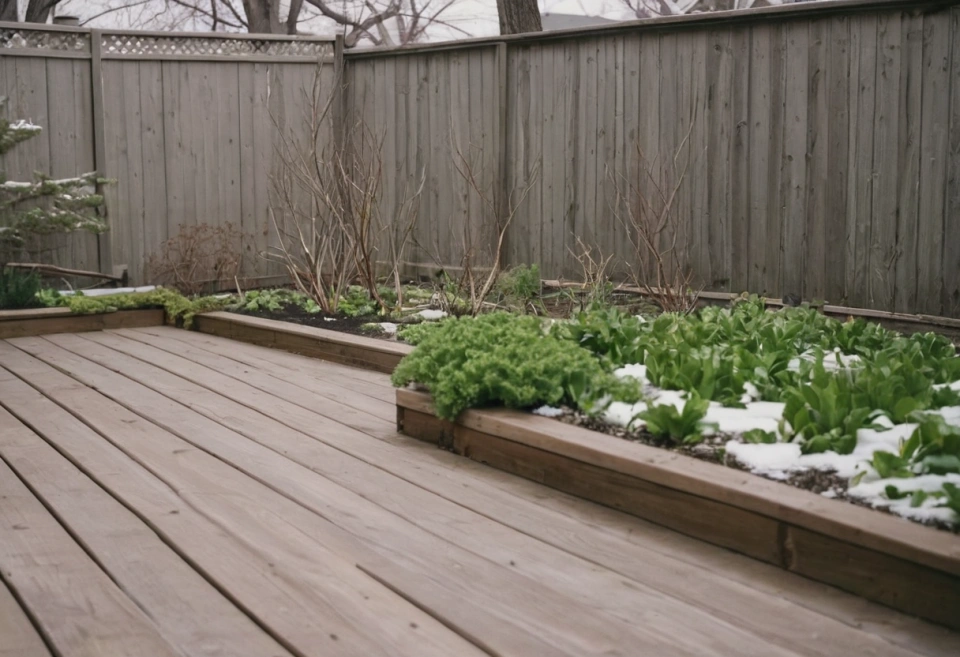
The last of the snow has slid off the roof and the backyard is soft underfoot. This is the week when a house shows what winter did to it: a damp line on the basement wall, a shingle lifted at the eave, a deck post that moved when the frost came out of the ground. A slow walk around the property, inside and out, will tell you which of those things you can handle with a rake and a bucket and which ones need someone with a ladder, a licence or a camera. Here is what to look at, in the order that usually matters most.
Follow the water away from the foundation
Start outside, on a day when the snow is melting or it has just rained. Walk the perimeter and watch where the water goes. You are looking for puddles that sit against the wall, soil that has settled into a trough along the foundation, and downspouts that dump their load right at the corner. Water that stays close to the house finds its way in through cracks, window wells and the joint between the wall and the footing.
Most of this is fixable without a contractor. Reconnect any downspout extensions that came off over the winter and carry the discharge well away from the wall, onto ground that slopes away from the house. Fill low spots along the foundation with clean soil, not mulch, and tamp it so it sheds water rather than soaking it up. Clear leaves and grit from window wells and check that the covers, if you have them, still fit. If you did the autumn round of getting the house ready for winter, this is largely a matter of checking that everything you set up then survived the season.
Then go down to the basement. Look at the base of the walls, behind stored boxes and along the floor-wall joint, for fresh staining, white powdery deposits (efflorescence, which means moisture has been moving through the masonry) or a tide line on anything stored on the floor. In older houses the basement often holds the furnace and the laundry, so a damp corner there matters beyond the wall itself; our notes on the suburban bungalow explain why that lower level deserves as much attention as the rooms above it.
One damp patch after a big melt is worth watching. Water actively entering, or a patch that grows after every rain, is worth a call to a waterproofing contractor or a drainage specialist.
Read the roof and chimney from the ground
You do not need to climb up to learn a lot. With binoculars, from several angles, look for shingles that are curled, cracked, missing or lying flat where their neighbours stand proud. Granules in the eavestroughs and at the bottom of downspouts mean the shingles are shedding their protective surface, which is normal ageing but worth tracking. Check the metal flashing where the roof meets walls and the chimney, and look for lifted edges or gaps in the sealant. After a winter of ice dams, the first courses at the eaves are the place to look hardest.
On the chimney, look for mortar joints that have crumbled back, bricks with flaked faces (frost damage, called spalling), a leaning stack or a cracked concrete crown at the top. A white crust on the brick is efflorescence again, and it tells you water is moving through. Inside, check the ceiling around the chimney and in the top-floor closets for new stains.
Anything that requires walking on the roof or working at the chimney belongs to a professional. A roofer can assess the shingles and flashing properly; chimney repair and sweeping are a separate trade, and a mason is the right person for deteriorated mortar. If the house is new to you and several of these questions are open at once, the same items appear in the home inspection, and an inspector's report can help you sort urgent from cosmetic.
Test the deck, steps and railings
Frost heave and thaw move things. Give each railing a firm shake: it should not flex at its base. Push on the deck posts where they meet their footings and look for gaps that opened under them. Then get down and look at the structure, not just the boards. The ledger, the board bolted to the house that carries one edge of the deck, is the critical connection. Its fasteners should be tight, the metal flashing above it intact, and the wood around it sound. Probe any grey, soft-looking wood with a screwdriver; if it sinks in easily, the wood has rotted.
Check the stairs separately. Treads that rock, stringers (the sloped boards that carry the steps) with cracks, and footings that have tilted all show up now. Concrete front steps deserve the same look: spalled surfaces, widening cracks, and any separation from the wall of the house. Surface wear on concrete is a repair; a stair or deck that moves under hand pressure is a safety issue, and a carpenter who builds decks or a structural contractor should see it before the summer season of use begins.
Deal with the salt while it is still fresh
Winter salt does its damage quietly. On concrete walks and steps it shows as a flaking, pitted surface; on stone and brick pavers as a white bloom and crumbling edges. In the garden, the strip along the driveway and the bed where the plough pushed its pile will show browned evergreen needles and dead grass. Salt in soil breaks down its structure and makes it hard for roots to take up water, so the sooner it is diluted and flushed, the better.
- Rinse paving, steps and the lower faces of walls with plain water on a mild day, before the salt has had another wet season to work in.
- Flood the salt-hit beds slowly, more than once, so the water carries the salt down past the root zone rather than sideways into more planting.
- Hold off on pruning browned evergreens until new growth shows; some of what looks dead will bud out.
- Note where the snow was piled this year, and plan next winter's pile somewhere else. Our piece on a front garden built for a cold-winter city covers how to site plantings around that reality.
Severely spalled concrete may need resurfacing or replacement, but wait until the surface is dry and the weather is consistently warm before judging how bad it is.
Clean up the garden without rushing it
The urge to rake everything bare is strong in the first warm week. Resist part of it. Many pollinators overwinter in hollow stems and leaf litter, and cutting the whole garden down at once removes them. Rake the lawn lightly once it is firm enough to walk on without leaving prints; working soggy soil compacts it. Leave perennial stems standing until you see consistent new growth at the base, then cut them back in stages.
Do walk the beds and look for plants pushed out of the ground by frost heave; press them back in firmly so the roots are covered. Check shrubs for snow-load breakage and make clean cuts at a branch collar rather than leaving torn stubs. Hold off on digging or dividing until the soil crumbles in your hand instead of smearing. Keep an eye on the trees: a limb hung up in the canopy or a lean that was not there in autumn is a job for an arborist, not a ladder and a handsaw.
What to do with what you found
Write it down as you go, with a photo of each item, and sort the list into three groups: water getting in, things that move or could fall, and everything else. The first two groups get phone calls this month. For active leaks and drainage, a basement waterproofing or drainage contractor; for the roof, a roofer; for the chimney, a chimney specialist or mason; for a shifting deck or stair, a deck builder or structural contractor; for trees, a certified arborist. Ask each for a written description of the work and the materials, and ask what happens to the water after their repair, because most exterior fixes are really drainage fixes.
The third group can wait for dry weather and your own weekends. Book the small jobs into specific weeks now, while the list is fresh: reattach the downspout extension, fill the trough along the foundation, tighten the railing, rinse the front walk. Put a note in your calendar for the next heavy rain, and walk the perimeter again with your list in hand. A house checked twice, once at the thaw and once in real rain, tells you far more than a house checked once.
General information only: confirm requirements with the City of Toronto or your municipality, the province, or a licensed professional before you act. Editorial standards · Corrections